

If you’re neurodivergent—a person with autism, ADHD, dyslexia, Tourette syndrome, or something else—choosing a career that matches your strengths is key.
Maybe you’ve spent years hearing about how you need to adapt or work on your “soft skills.” You might have worked twice as hard as everyone else to get through the day. Meanwhile, people may not have noticed the things you’re really good at.

But the traits that set you apart are not flaws to fix. In many workplaces, they can be real assets. When you understand where your focus comes from, what drains you, and what kind of environment helps you succeed, you can begin spotting jobs and training paths where you’re more likely to thrive.
Understanding your strengths as a neurodiverse person
Neurodiversity means people think in different ways. Those differences are normal. If you are neurodivergent, some tasks may take more effort. But other abilities may come naturally.
Maybe you catch errors that others skip over or can dive deeply into topics for hours. Or maybe you can picture systems in your head, generate ideas quickly, and see creative solutions.
These are real, valuable skills. But many workplaces are organized around only one type of worker. People are expected to multitask, put up with interruptions, and move quickly from one thing to another. If that doesn’t match your style, it can feel like you are always adjusting. It might make you feel panicked.
You might also notice that your strengths show up most clearly when you have the right supports. Maybe written instructions help you stay on track, and fewer interruptions allow you to focus. Supports like these can help you shine.
Instead of asking yourself how you can become more like everyone else, try asking “Where would my natural style give me an advantage?”
Career fit can matter more than career status
It’s tempting to chase a title that sounds impressive. Or a job that other people approve of. Or a role that you think you should be able to handle. But if the day-to-day reality leaves you drained, the excitement can wear off quickly.
For many neurodivergent workers, poor fit comes with real costs. You might burn out from constant effort. You might accept jobs below your skill level just to avoid overwhelm. You might move from job to job, hoping the next one will finally feel right.
After a while, it can start to feel like the problem is you. But it’s not.
Fit usually comes down to a few practical things:
Sensory environment. Noise, lighting, and interruptions can either support your focus or destroy it.
Communication style. Do people say exactly what they mean? Are expectations written down?
Support for planning and executing tasks. How much planning and task switching is built into the role? Are tools or supports available?
When these pieces line up, people often perform far better than anyone expected.
It can also help to rethink productivity. Some people work best in steady, consistent ways. Others move in bursts of intense focus. Both can be effective. The key is finding workplaces that understand different rhythms instead of forcing everyone into the same mould.
To picture how various occupations are structured, check out the occupational profiles on OCCinfo to help you compare.
Use Find Your Fit to Explore Careers and Strengths
Find Your Fit helps people learn about their interests, strengths, and work preferences through simple quizzes. It then suggests careers that may be a good match. For people with disabilities, these activities can help them better understand what they enjoy and do well, making it easier to explore career options and choose a path that fits their unique skills and interests.
Career paths that often match neurodiverse strengths
Once you have a sense of how you work best, you can start looking for environments where your strengths are valued.

Neurodiverse people can succeed in every industry. But certain roles line up well with strengths such as focus, accuracy, creativity, or comfort with routine:
Structured and detail-oriented roles. Bookkeeping, payroll, data entry, records management, quality control, and regulatory support need people who can follow clear processes and notice small differences. What’s expected is often clearly defined, and results are measurable, which many workers find reassuring.
Analytical, technical, and systems-based careers. Software development, IT support, cybersecurity, data analysis, GIS mapping, and engineering technologies can be good choices if you like solving problems or understanding how systems work. These skills are in demand across Alberta, with many routes to develop them, from certifications to degrees.
Creative work. Fields such as graphic design, UX/UI, digital marketing, content creation, or game development often reward fresh thinking. Are you at your best when you’re designing, writing, or experimenting?
Hands-on, practical, and trade-based careers. Skilled trades, laboratory support, or equipment operation can be good choices if you prefer physical, concrete work. These roles offer quick results. And Alberta’s apprenticeship system lets you earn while gaining credentials.
Self-employment and non-traditional work. Freelancing, consulting, and contract work can give you control over your schedule and work environment. Those benefits can be powerful, but it also means handling clients, paperwork, and income ups and downs.

Education and training options in Alberta
There are many ways to prepare for work and they don’t all involve a long university program:
A micro-credential or an apprenticeship might get you where you want to go fastest. These programs usually focus on specific skills employers are looking for.
Consider online or self-directed learning. Studying from home or working at your own speed can help if commuting or your energy level make traditional classrooms hard.
Reach out for support
If you go to a college or university, disability service offices are there to help. They can arrange things like note-taking support, assistive technology, extra time, or quieter places to write exams.
Money and practical help may be available too. Through Disability Related Employment Supports (DRES), eligible Albertans can get support for training costs, job coaching, or tools that make learning easier.
As you look at different programs, ask yourself “Would I be able to manage this most days?”
Workplace accommodations
Many people do best when the workplace is set up to help them focus and stay organized. These supports are called accommodations.
For neurodivergent workers, helpful changes might include flexible hours, working from home some or all of the time, getting instructions in writing, or making changes to lighting, noise, or how the workplace is set up. These adjustments don’t lower your employer’s expectations. They just make it easier for you to meet them.
In Alberta, employers have a legal duty to make reasonable efforts to remove barriers. This responsibility comes from the Alberta Human Rights Act. There are limits if changes would cause serious difficulty for an employer. But many accommodations, like flexible scheduling or permission to wear noise-cancelling headphones, are easy and don’t cost much.
It can help to look for inclusive workplaces that already value different ways of thinking. Employers who understand neurodiversity are often more open to flexibility, clear communication, and changing their processes so people can do well.
Whether or not you tell your employer about a diagnosis is a personal decision. Some people choose formal disclosure. Others prefer to talk about what helps them work well without sharing medical details.
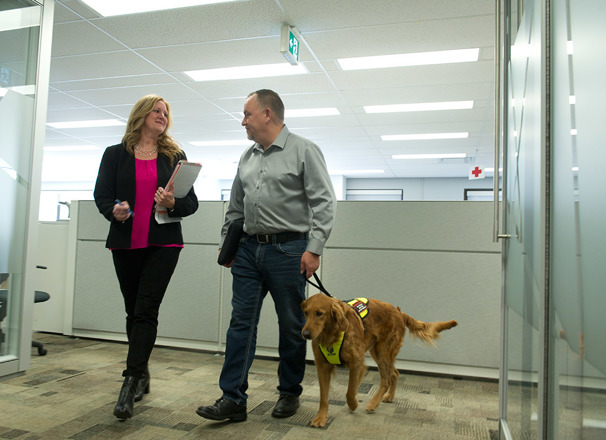
Practical career planning tips for neurodivergent people
Notice your energy. When do you feel focused and capable? What kinds of environments wear you down?
Build your plans around your strengths, not around trying to hide or “fix” yourself. The goal is to find places where the way you naturally think is useful.
Test the waters. Volunteering, job shadowing, or short contracts can tell you a lot about whether a certain career is the right fit.
Work with career coaches who understand neurodiversity. They may see options you haven’t considered.
Connect with people who share lived experience. Their stories, tips, and encouragement can make the path forward feel clearer.
Alberta resources that can support your career
You don’t have to plan alone. Across Alberta, services can help with career decisions, training, and financial stability:
Government of Alberta supports
Get free help with career planning, resumés, and job searches through Alberta Career and Employment Information Services.
Try Disability Related Employment Supports (DRES) if you need help paying for courses or tools.
Contact Alberta Supports Centres for information on employment programs, income benefits, and disability
Community and not-for-profit organizations. Organizations like EmployAbilities, Autism Calgary, Autism Edmonton, the Canadian Mental Health Association–Alberta Division, and the Centre for ADHD Awareness Canada have employment programs, coaching, and links to inclusive employers.
Post-secondary and youth supports. Alberta colleges and universities have disability service offices that can help students get accommodations and transition to the world of work.
Federal supports for Albertans. Programs like the disability tax credit, the Registered Disability Savings Plan, and the disability supplement within the Canada Workers Benefit can give you financial support while you build your career path.